

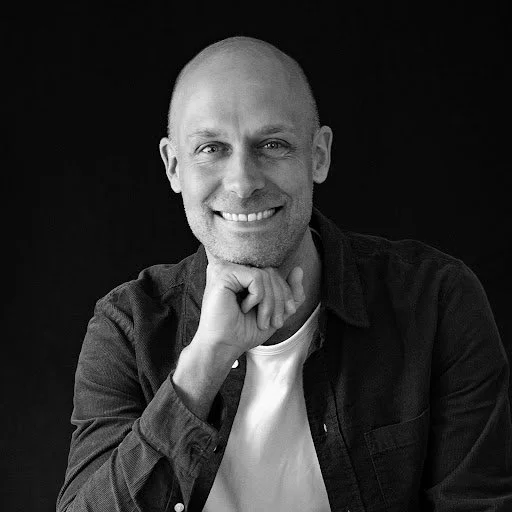
- Nicolai Rottboll, Founder
HOW NICOLAI RECLAIMED HIS TIME AS A MISSION-DRIVEN FOUNDER WHILE NAVIGATING RAPID ORGANISATIONAL GROWTH
When Nicolai came to coaching, he was at a pivotal moment in the journey of his early-stage non-profit, Our World 2050. After months of building a vision, onboarding partners, and designing activities to give children worldwide a voice on climate issues, things were finally becoming serious: he’d secured their fiscal sponsor, was heading to New York Climate Week, and had assembled a talented team. But with this exciting growth came complexity. He often felt derailed by meetings, phone calls, emails and LinkedIn messages from enthusiastic people who wanted to meet and hear more, and felt constantly reactive: saying yes too often and feeling spread thin.
On top of the operational overwhelm, Nicolai was navigating increasing complexity in team dynamics that were affecting morale and took a lot of energy to resolve. Nicolai came to the VIP Day seeking clarity on how to better define his role and structure his time, how to lead strategically rather than reactively, and how to build an organisation that aligned with his values during this critical transition from vision to implementation.
What was going on in your business & life when you began to work with Megan?
I was at a really critical transition point with my non-profit organization, Our World 2050. We had moved from this happy mission phase where everyone loved the vision of giving children worldwide a voice on climate, to a place where things were becoming serious. We got our fiscal sponsor in place, I was heading to New York Climate Week, and we had a great team forming. But with that growth came complexity and I realised that I needed to structure and prioritise more .
The biggest challenge was how to balance everything. I had been saying yes to meetings and ‘less important’ tasks too often, and honestly, I was working way too much. I was trying to do Board work, fundraising, grant writing, stakeholder management, partner onboarding, activity scoping, budgeting, communications, IT, youth ambassador coordination — literally everything. I didn't have enough structure for my time, and I often found myself working on whatever was most urgent rather than what was most important.
On top of that, I was dealing with some emerging team dynamics as we scaled and were finding our feet with how we wanted our culture to feel. I’m a very human, empathic leader and I was very aware that all my team members were volunteering their time as we scaled this organisation. So I was very aware of the interpersonal side of things and some of the natural challenges that were emerging as we were growing the non-profit.
I needed help figuring out how to narrow in my role and structure my time as we were building this organization and moving into a more serious phase. The timing couldn't have been better.
What hesitation or concerns did you have about working with Megan?
I guess my only hesitation was whether someone who didn’t really know me or my background and the organisation could come in and actually guide me. I’ve been building global organisations before and have even advised other organisations on their growth strategy, organisational setup, fundraising, stakeholder engagement etc. as a consultant for years. So why didn’t I just take my own medicine and became my own advisor?
On the other side, my hesitation was not really that big for the same reason: I’ve often found myself mentoring and advising other people about their startups and organisations. A new pair of eyes can see things from the outside in a new light and it’s often easier to diagnose the pain points, gray zones, needs and potentials if you’re not involved in the day-to-day operations, post-it-notes, meetings etc. So when I found Megan and we started talking it wasn't really a hard decision to start working with her.
What specific results have you achieved?
The biggest tangible result is that I now have complete clarity on how to structure my time and priorities. Megan helped me develop a 70-20-10 division for my work: 70% on fundraising and strategic leadership, 20% on stakeholder management and youth ambassador support, and 10% on visibility and thought leadership. This was game-changing because before I was just reacting to everything equally.
I've also created clear boundaries around my schedule. I blocked off specific days for different types of work: Mondays, Tuesdays and Thursdays for meetings and collaborative work, and Wednesdays and Fridays without meetings so I can focus on deep work like grant writing. I even started doing grant writing every morning during my peak energy time, which has made me so much more productive.
The three-year vision and 12-month game plan we created together has given me an actual roadmap. I check it regularly, even the morning of our final session in preparation, and I realized, oh my god, I'm actually doing it. Things that were on that plan, like developing our communication strategy with the team, are already happening just two weeks after our VIP Day. We literally had a session scheduled where our team was going to go through communication tips and tricks for everyone.
I've also gotten much better at saying no and delegating. I realized I don't need to be the face and voice of everything. That's quite a relief.
Maybe most importantly, I now have the tools and frameworks to address the leadership challenges I was facing. The values work gave me clarity on what I stand for and what kind of organization I want to build, which makes being intentional about our culture so much easier.
What did you like most about working with Megan?
I was super amazed by the way Megan can live herself into your situation. She showed up super prepared. Her way of preparing you with what to expect and how to prepare was amazing. And in the actual sessions I’ve never experienced someone who so quickly could process whatever I was saying - summarizing it, elaborating and turning it into either a “diagnosis”, an awareness point, an action or just a clear picture of the situation and how to handle it, going forward.
On top, Megan is a fantastic personality. Her empathetic - or even compassionate nature, and her ability to listen, ask questions and reflect with you is really impressive and she made me feel safe from the first second - which is the best foundation for building trust, creating an honest room and for freeing another thinking process - which again opens your mind and ability to process and see things clear. It was simply amazing to work with Megan and I’m sure I’ll work with her again.
What was the biggest thing that you took away from working with Megan?
The biggest takeaway was understanding that structure is a big part of the solution. Before working with Megan, I thought I just needed to work harder or be more organized, but I didn't realize how much I needed a clear framework for how to spend my time and what to prioritize.
Having the three pillars for next year and the specific percentages for how to divide my time – that's been transformational. It's not just theory sitting in a document somewhere. I've actually been applying this stuff right away, and it works. I can see the immediate impact on my productivity and my mental clarity.
The other huge piece was gaining clarity on what success looks like for me personally and for the organization over the next three years. This isn't just about having a vision for the mission; it's about being crystal clear on the kind of leader I want to be, the kind of organization I want to build, and how I want to feel in my work. That clarity makes every decision so much easier.
Megan is really extremely good at extracting what I've been saying and turning it into something clear and conclusive. I've never tried something as clear and amazing as this. It helped me realize that I can build this organization in a way that aligns with my values of empathy and collaboration, even as things get more serious and complex.
What do you think would have happened if you hadn’t worked with Megan?
Honestly, I think I would have continued being overwhelmed and reactive. I would have kept saying yes to too much and working way too many hours with too little structure or priorities. That path often leads to burnout, which would be the last thing I (and Our World 2050) wanted to happen.
I probably would have kept trying to be the face and voice of everything, which isn't sustainable and honestly isn't the best use of my time. The organization needed me to step into true strategic leadership, and I don't know if I would have made that shift without this work.
The scariest part is that I might have continued building the organization without being intentional about the culture and my own values. When you're in that reactive mode, you just deal with what's in front of you. But Megan helped me see that this transition phase – where we're moving from vision to serious implementation – this is the time to be really deliberate about what kind of organization we're creating. If I'd missed that window, it would have been much harder to course-correct later.
Who would you recommend to work with Megan?
I recommend founders of both startups and non-profit organizations to work with Megan, both in the early phases as well as later, as the organisation develops and your role needs to be either confirmed or transformed. Also, I believe that any individual finding themselves in a work situation, where complexity and a busy schedule is part of everyday reality, would gain high value in spending time with Megan.
